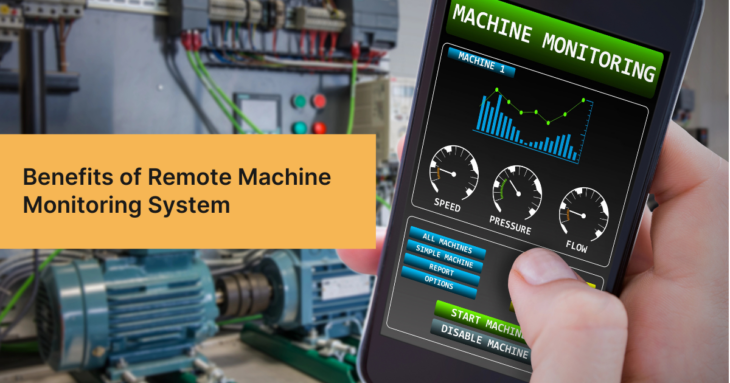
Benefits of Remote Machine Monitoring Systems
Manufacturers always look for ways to cut costs and increase profits in their day-to-day production activities. Doing so is not only beneficial for their margins but also sets them apart from their competition with better offerings. The shift is towards smart manufacturing and incorporating digital systems such as remote machine monitoring. This article looks at the numerous benefits of remote machine monitoring systems in the manufacturing sector. 7 Key Benefits of Remote Machine Monitoring Systems Let’s explore the top seven benefits of remote machine monitoring systems below: 1. Reduced Downtime On the Production Lines Downtimes are one of the most feared scenarios in manufacturing plants. Maintenance workers often painstakingly inspect machinery to look for faults that can cause big trouble. Remote machine monitoring systems can greatly reduce downtime by providing real-time alerts and data on the equipment’s health. A bottling plant, for instance, that employs remote monitoring can detect issues like conveyor belt malfunctions or mechanism breakdowns before they cause a complete halt in production. By identifying and addressing problems early, maintenance teams can take quick action to prevent accidents or the line from stopping. The proactive approach keeps the production line running smoothly and minimizes the time spent waiting for repairs. 2. Increased Operational Efficiency Implementing remote machine monitoring systems can optimize machine performance and resource allocation for production. Consider a textile manufacturer looking to reduce waste and increase output simultaneously. With sensors, they can monitor the energy consumption of various looms and identify which ones are less efficient. The company can adjust machine settings or schedule maintenance during off-peak hours by analyzing the acquired data. Moreover, remote monitoring also allows operators to oversee multiple machines from a single dashboard. The bird’s eye view operators get from the dash can reduce the need for on-site supervision. The overall operational efficiency can be increased by centralizing the monitor and control. 3. Improved System Security In the Industry 4.0 environment, threats to production information are real as breaches and cyber hacks can happen at any time. Remote machine monitoring systems come with strong network security. They are even better when data is transferred and stored on-site. For example, a pharmaceutical company can protect its sensitive production data by using encrypted communication channels and secure login protocols with the monitoring system. A key benefit is that real-time monitoring systems can alert security teams to unusual activities or potential breaches. The heightened security reduces the risk of data theft or sabotage, so the production processes remain safe. 4. Proactive Maintenance Proactive maintenance has always been crucial to keep production lines running smoothly. However, the amount of manual work and inspection that goes into finding things that could go wrong is enormous. Remote monitoring systems allow for the early detection of wear and tear and do it better than human inspectors. This means maintenance can be scheduled long before a breakdown occurs. For example, a components manufacturer using CNC machines can receive alerts about abnormal vibration patterns that indicate potential bearing failure. Maintenance teams can then replace the bearings before they fail and avoid costly repairs and unplanned downtime. 5. Machinery Performance Insights Insights into machine performance are invaluable as they help manufacturers optimize processes and improve product quality. A food processing plant, for example, can use data analytics to track the consistency of product output by keeping track of parameters like temperature, humidity, and mixing times. The system can suggest adjustments to maintain quality standards if variations are detected. These insights can enable companies to fine-tune their operations, even in other industries, to produce consistent product quality and minimize waste. By leveraging data manufacturers can continuously improve their processes to reduce manufacturing costs and improve customer satisfaction. 6. Cost Savings Practically every example we have looked into so far directly as a component of cost savings. However, remote machine monitoring systems can also be used to lower costs. For example, a production facility can monitor energy usage and identify inefficient machinery or processes. Sensors can measure the energy consumed by individual machinery. The company can lower utility bills and operating costs by optimizing energy consumption and reducing waste. 7. Centralized Monitoring and Control One of the biggest benefits of remote machine monitoring systems is centralized monitoring and control. The system allows manufacturers to oversee multiple production facilities from a single location. For example, an automotive parts manufacturer with plants in different regions can manage and monitor all operations through a single platform. This centralization simplifies data management and ensures consistent quality control across all sites. It also enables swift decision-making, as managers can access real-time data and insights from anywhere. Case Study: Higher Uptime and Fast Response for Maintenance and Repair through MachineConnect Downtimes are inevitable in the manufacturing industry, but what makes all the difference is how quickly production can bounce back on track. The machine builder client experienced frequent maintenance and repair issues, leading to more downtimes. Because of the nature of the production process, the client lacked real-time failure data and incomplete data that made root cause analysis ineffective. Implementing MachineConnect filled in the information gaps through real-time abnormal status notifications and alerts. The platform’s remote diagnosis also instantaneously generates root causes and offers operational insights. Further, long term monitoring of machines also enabled predictions of failures in the future. As a result of the implementation the machine builder logged higher uptimes owing to increased machine availability. They were also able to respond quickly to issues leading to better client satisfaction. To Wrap It Up Remote machine monitoring systems are already in place with many manufacturers who are leveraging it to unlock higher production efficiency. They can make a significant difference in terms of cost, repairs, and even customer satisfaction in the long run. If you’d like to explore the benefits of remote machine monitoring systems firsthand, give us a call! Get in touch with our team to learn how MachineConnect can be implemented in your plant and the areas that can be improved through remote monitoring. Request a
Read More
What Is Remote Machine Monitoring, and How Does It Work?
Remote machine monitoring, in simple terms, is about keeping an eye on your equipment digitally at all times. It’s a ground-breaking advancement in the manufacturing sector, enabling manufacturers to stay proactive regarding their equipment. Traditionally, it was a manual process to monitor equipment and keep it on track or predict output and failures. Now, manufacturers can track machine performance, prevent breakdowns, and streamline maintenance by using sensors and real-time data. Remote machine monitoring now gives manufacturers an edge for staying competitive in today’s fast-paced market, where downtime can be costly. Understanding Remote Machine Monitoring? So, what is remote machine monitoring precisely? Before the advent of digital technology, monitoring equipment on the production line required manual checks and on-site inspections. However, manufacturers are shifting to remote capabilities with advancements in digital sensing and data analytics. The migration to remote monitoring has been made possible by the Internet of Things (IoT). IoT connects machines to the internet, allowing them to transfer data seamlessly and in real-time. Sensors play a crucial role in capturing data from factory floor machines, such as tool/work temperature, vibration, pressure, output dimensions, orientations, etc. This data is then transmitted to the manufacturers’ cloud computing services, where it’s stored and processed. Data analytics, including AI and machine learning, come into play by making sense of this data. They help in predicting failures, scheduling maintenance, and optimizing machine performance. In all, remote monitoring significantly improves the manufacturing process. Consider a manufacturer of fine machine components who uses CNC machines to produce precision aerospace components. Sensors monitor the CNC machine’s spindle speeds and coolant levels, temperature, and vibration levels. If the system detects an abnormal spike in spindle vibration, it could indicate potential tool wear, damage to the tool, or even the tool coming off the chuck. An alert is immediately sent to the maintenance team who inspect and replace the worn tool if needed before it produces defective components. The quick action prevents damage and potential downtime. In the long run the data gathered can also be used for predictive maintenance and anticipate tool wear. How Remote Machine Monitoring Works Now that you have an understanding of what is remote machine monitoring, we’ll take a closer look into the finer details of how it works: For more information 1. Data Collection Remote machine monitoring begins with data collection where sensors are placed on crucial areas of the machines to capture vital information. These sensors track various parameters such as temperature, pressure, vibration, forces, acceleration, fluid flow, weight, position, proximity, and many other information specific to the manufacturer. They provide a comprehensive overview of the machine or the production line’s operational condition. 2. Data Transmission The collected data needs to be transmitted to a central system for analysis. This is achieved through wireless communication protocols like Wi-Fi, Bluetooth, and cellular networks. Gateways for data are also used as intermediaries so that data is transferred from the sensors to the cloud securely. Data can also be stored locally to reduce the load on cloud systems and enable faster response times. 3. Data Processing and Analysis Once the data reaches the cloud, it can be processed and used for analysis. Cloud-based solutions store the data and use advanced algorithms, AI, and machine learning to analyze it as per the needs of the client. The insights gained from data help identify patterns, predict potential failures, and optimize machine performance. 4. Real-Time Monitoring and Alerts The processed data is then visualized on dashboards and interfaces provided to people on the floor or in decision-making positions. In live production, the operators also get real-time insights into machine performance and what can be expected. Dashboards offered by these service providers are user-friendly and accessible from various devices, making it easy to monitor equipment from anywhere. Operators can also set up alerts and notifications when specific conditions are sensed to inform them of any critical issues promptly. 5. Integration with Existing Systems Remote machine monitoring systems are also often built to integrate with existing enterprise resource planning (ERP) platforms. This integration is set up for instantaneous data flow and coordination activities across the organization. The data is necessary for maintenance schedules, inventory management, and other critical processes. Case Study: Real-Time Complete Visibility of Asset Operations and Performance with Machine with MachineConnect In the manufacturing and industrial automation sector a key challenge faced by medium to large-scale machine builders is the lack of operational data from machines. With this client, even when the data was available, it wasn’t utilized effectively. The result was an inability to analyze machine uptime, quality of output, and performance. The gap in insight prevented the machine builder from fine-tuning asset parameters, which got in the way of optimal performance and output. MachineConnect provided a robust solution by offering complete information on asset operations through Overall Equipment Effectiveness (OEE) parameters. Its graphical representations enhanced data visualization, which helped stakeholders to interpret and act on the information. It also enabled real-time data availability from geographically distributed machines into a single command center. With MachineConnect in place, the client saw some impactful benefits. Accurate reporting meant they could better use their data from the shop floor. Having real-time information allowed them to respond to any issues that came up quickly. The detailed data analysis gave them clear insights, which helped them fine-tune their machines for reliable performance. Ultimately, the machine builder could optimize their operations, making smart decisions and getting more value from their machines. It was a game-changer for keeping everything running smoothly and efficiently. To Wrap It Up Using remote monitoring systems can give a significant edge to manufacturers. They provide real-time data and accurate reports to address any issues quickly. Analyzing detailed operational data can boost efficiency and reliability. These systems help you stay ahead of the curve through operational efficiency and market readiness. Discover how MachineConnect can transform your manufacturing process by providing unparalleled visibility. Contact us today to learn more and schedule a demo!
Read More
The Role of Energy Management Systems in Smart Factories old
A smart factory is deemed efficient when it controls its energy consumption. Energy is vital for a factory, as its production and maintenance completely depend on electricity, water, and gas. However, unnecessary energy consumption can lead to budgeting issues and increased production costs. Hence, comprehensive energy management system software should be deployed to minimise excessive costs. Key Components of Energy Management Systems Energy management software are data-driven systems that display real-time information about your factory’s energy consumption. You can view your energy usage in all its forms on one dashboard. Basically, there is no need to work on separate sheets and data channels to calculate energy consumption. A few simple clicks and the right navigation system will showcase all your energy-related data. Here are the key components of a smart energy management system that form a holistic energy analysis and management facility. Sensors and Data Acquisition Sensors are attached to the devices and energy channels. They measure each device’s energy consumption and compare it to optimal levels. These sensors are also very sensitive to minor changes in the consumption pattern. Hence, their acute detection capabilities let you watch for any untoward impairments in the system. Data Analytics and Visualisation Sensors and their associated systems have real-time data analysis features. You don’t need to perform a set of calculations separately for each metric. The data and its analysis are readily available in the system. Moreover, systems integrated with artificial intelligence provide precise and nuanced insights about energy consumption. You can view the following metrics in an energy management software system: Consumption costs per machine Unproductive energy consumption Defects in the machines Overall energy consumption of the factory Insights on saved energy consumption Monthly data and reports Energy Control and Optimisation Data drives decisions and often results in profitable outcomes. Therefore, using the above data to optimise your energy consumption will lead to more savings. You can track the performance of all equipment and take appropriate actions to correct faults. This strategy will lead to efficient energy consumption and increase the lifespan of the equipment. Integration with other Factory Systems The smart energy management software system integrates with managerial systems like SCADA and MES. You will have a robust and comprehensive solution to all your energy management needs. Moreover, you can also gauge the total energy efficiency of your factory’s processes as a whole by considering energy consumption from the following costs: Production Costs Overhead Expenses Indirect Costs Utility Costs These versatile components benefit factories that adopt the energy management system. These benefits will be amplified in the long term and prove advantageous for an energy-efficient future. Benefits of Energy Management Systems in Smart Factories Although energy management system software offers numerous benefits, these four are extremely impactful. The cumulative benefits of the advantages mentioned below are simply cost and time savings. An experienced manufacturer will know the value of these two resources in a smart factory’s operations. Cost Reduction EMS will reduce your unproductive energy costs by sheer detection and data analysis. You can optimise your processes to consume less energy and provide similar productivity. Therefore, you will significantly reduce your downtime and energy consumption, which can be allocated to produce more valuable products. Increased Efficiency Efficient energy management also leads to a better working environment. These systems allow you to conduct energy audits and benchmark reporting to monitor your energy usage regularly. Intelligent insights from the system will reduce waste and help you achieve your sustainability goals. Corporate Social Responsibility CSR activities showcase your commitment to society and your ethical values. Such activities contribute to a better world for everyone. Therefore, reducing energy consumption will enhance your CSR credentials and positively impact your market reputation. Improved Decision-making The valuable data provided by EMS leads to informed decision-making. The dashboard’s enriching reports and visualisations can help you make accurate decisions. You will also be more adaptable to change and quickly act through escalations and alerts. Potential Challenges Adapting new energy management systems can present a few challenges. Fortunately, identifying these challenges beforehand can help you plan your next course of action. High upfront costs: The initial investment in the services can be very high. Complexity and integration: EMS is complex to implement, so integrating it with existing factory systems can be challenging. Resistance to change: Employees may resist changes to their work processes and routines. Data quality and accuracy: Accurate and reliable data collection might be hampered during system errors. Tips for Overcoming Challenges These tips will help you effortlessly overcome these challenges. However, you must incorporate these solutions with assistance from a good vendor. Conduct an Assessment: Identify your factory’s energy-saving opportunities and challenges. Develop an Implementation Plan: Outline your energy-saving solutions’ steps, timelines, and responsibilities. Invest in Training: Train employees to use EMS. Scale gradually: Test a pilot project to check the feasibility of EMS before implementation. Address Concerns: Actively address employee concerns and provide support to. Seek Expert Guidance: Consult with energy management experts. Monitor Performance: Continuously monitor the performance of EMS and make necessary adjustments. Leverage technology: Integrate advanced technologies like AI and IoT to simplify EMS data analysis. Foster a Culture of Energy Efficiency: Create a company-wide culture that values energy conservation and sustainability. A smart energy management system is crucial in optimising energy consumption and improving efficiency in smart factories. EMS helps factories reduce costs and enhance decision-making. The long-term benefits of energy savings and improved sustainability make it a worthwhile investment for smart factories. You will achieve your profitability goals with a tailored energy management solution! PowerCONNECT is one such solution. It is our cutting-edge energy management system will optimise your energy consumption, reduce costs, and enhance sustainability.
Read More
What is Manufacturing Execution Systems (MES), and Why Do Manufacturers Need It?
Gone are the days when factories were managed through manual registers and Excel sheets. Technology has entered all arenas, especially in the manufacturing sector. Factories need a 24×7 tracking system that measures each and every move. As a manufacturer, you will understand that such tracking is beneficial for the long-term planning of products. Manufacturing execution systems are technological marvels that assist you in such tracking. These systems are designed to connect all parts of a manufacturing unit. Your business will flourish due to such tracking systems. Therefore, you should consider adopting MES to increase the productivity and quality of your products. Core Functions of MES An MES plays the following roles in your manufacturing process. You will be able to perform these functions with the help of the system. Production Planning and Scheduling All the data is displayed on a dashboard. You can see available employees, managers, and machines on it. Moreover, the data is also effortlessly accessible. You can execute the following functions with the system: Scheduling Production: Production planning is easier because you can view the materials, development stages, and details of work progress. You can also assess any quality issues in a batch and reschedule its production. Allocating Resources: Worker and manager data is available, so you can check the bandwidth of every person on the line. Hence, allocating workload according to bandwidth will ensure smoother collaboration and increase employee engagement. Tracking Progress: The entire product genealogy will be available on the dashboard. Hence, you can also track the progress of each batch’s production and plan your actions accordingly. Real-time Data Collection Every MES software solution comes with its own set of sensors. These sensors are attached to machines on the production line to check progress. You will have the data for every second of the production line. You can access it from anywhere on a PC or mobile device. Data processing systems connected to these sensors will also display key performance indicators on the dashboard. Quality Control You can customise the sensors to check for quality issues in the products. They will be indispensable tools for implementing quality control measures. You can also effectively track a batch’s defects and take corrective actions to avoid hampering production. Moreover, such measures will help you avoid production delays. Benefits of Implementing MES The implementation of manufacturing execution systems leads to many benefits for a business. Manufacturers who have adopted MES solutions say that their overall productivity has improved. The technology bridges the gap between functionality and efficiency. Thus, you will see that your operational capabilities have also improved after adopting MES. Improved Efficiency Let’s elaborate on this point a bit more. MES streamlines the entire supply chain by organising data. It also connects to systems like Enterprise Resource Planning and Customer Relationship Management. Direct integration with these systems leads to more efficient planning and resource allocation. Enhanced Product Quality MES software solutions display the entire genealogy of the products. You can view exactly when and where each batch of products was manufactured. Such genealogy also enhances process management as the supply chain manager can view any bottlenecks in the process. Hence, you can remove these bottlenecks to create faster supply chains. Regulated Inventory Inventory management is another hassle that manufacturers face. A proper inventory has only the necessary raw materials and products. Anything more or less will lead to wastage and loss. Hence, a MES ensures that only the required materials and products are stored in the warehouse. Improved Regulatory Compliance Manufacturing execution systems also have documentation and certification sections in the product genealogy dashboards. You can upload the batch specifications with the exact production time and place. These steps are crucial for manufacturing units that submit official product information to the government for approval. This feature also creates a paperless shop floor. More Adaptability Other obstacles faced by manufacturing units are market trends. The demand for certain products may go down due to changing customer preferences. MES solutions offer quicker and more adaptable responses to such circumstances. You can easily halt production of upcoming batches and steer your operations to manufacture a different product. Challenges and Considerations Manufacturing software execution vendors provide complete assistance in adopting the system. However, a new change can bring quite a few challenges. Cost of Implementation Manufacturers are often worried about the cost of implementing an MES. The deployment and maintenance of the system are huge investments. However, the long-term return on investment is pretty high compared to initial expenses. This system will reduce capital wastage with enhanced inventory control. Hence, it leads to profitability with improved cost savings. Integration with Existing Systems Although many MES software solutions are easily integrated into ERP systems, there is a catch. The ERP and MES must be compatible with each other for smooth integration. Old ERP systems may not be compatible and, hence, cause delays. However, an experienced manufacturing execution systems vendor will solve this problem through data transfer and system upgrades. Data Security and Privacy Another challenge is data security. Manufacturers have sensitive data about patents, processes, and recipes that might fall into the wrong hands. However, advanced encryption tools and security measures significantly reduce the risk of data breaches. Resistance to Change A new system might be too complex for the employees and managers. The solution to this problem is adequate training and support from the manufacturing execution systems vendor. The employees will adapt to an MES quickly, as the system is quite easy to navigate. Manufacturing execution systems offer substantial benefits for manufacturers. While implementation challenges are associated, the long-term benefits outweigh the costs. Manufacturers can successfully adopt MES and drive operational excellence in their processes. Are you ready to transform manufacturing operations with a robust MES software solution? Contact us today to learn more about our state-of-the-art MES software and how it can help you achieve greater productivity!
Read More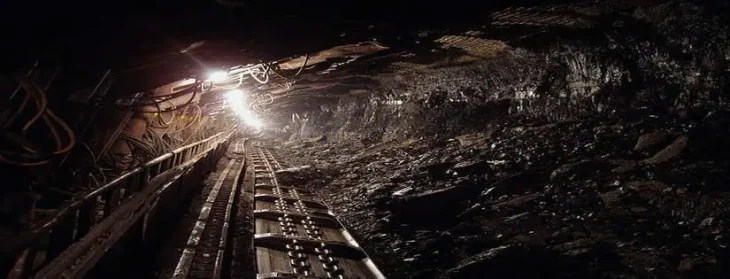
Intelligent Vision in the Mining Industry
In the year 1996, Martin Cruz Smith wrote on his novel, Rose, the following lines: “Then there was the whole concept of coal mining, which is a culture unto itself, the most dangerous occupation in the world, and which draws and develops a certain kind of man.” The occupation of mining, be it coal or gold, has remained one of the least sought-after professions in the world. Considering the hazards and the hard-work it brings, it is of no wonder that it was always well suited for a certain breed of men. Hazards are a common occurrence under the mines. Many factors contribute to the danger in the mining industry. They can be: Now that technology is growing rapidly bringing new solutions to the forefront, it has smartened up the safety, efficiency, productivity-related concerns in the mining industry. Artificial intelligence has been introduced in this sector some years ago, but AI could only sort out the repetitive work. There is a necessity for a system that can expand the scope of automation in the mining industry. What if there is an automated supervising authority that tracks, traces, records, predicts, and keeps overall watchful surveillance on every mining section? Well, an artificial intelligence-powered intelligent vision-based system could be a deciding factor in this regard. Here is how intelligent vision-based system could revolutionize the way the mining industry operates: Automated miner tracker A crucial aspect of such an intelligent system would be acting as “machine supervisors”. That means the computer vision can capture snapshots and videos with the help of smart cameras, reducing the need for human supervisors to oversee mining tasks. The shots and videos would be stored, analyzed later to monitor every mine worker, and implement necessary steps to improve productivity. Such vision solutions could help in the evaluation of a worker’s activity from day to day and monitoring various trajectories of people to strengthen security and process-related concerns. Tracking mining equipment and automation Vision-based intelligent tracking can track scheduled task status, real-time production, map the operator and equipment location, predict productivity based on analyzing underground mining sites, and even churn out safety instructions. Seems far-fetched but this is the future. Threat detection This is a grave concern in the mining industry. Any sort of miscalculated step, a mishap, or deliberate activity could put lives in jeopardy. A vision-based system could negate that by determining outside threats such as any callous action that puts men and machines in danger, detecting any unusual vehicle activity, or even catching unscrupulous personnel or presence of weapons/firearms. The immediate call would be notified automatically to the security team or police force. Smart database The most prominent facet of intelligent vision is its immense database and its ability to read, process data captured. It can collect and churn out useful data and save them in a database server. The data is processed into various data inputs like MySQL, pdf, or excel as desired by the mining team. The system can automate data pipeline processes and form a readable human-friendly interface. This improves data quality and transparency. The biggest catch is, it would save a lot of time and reduce human interference. Identification and classification of raw materials This is where intelligent vision could be a real game-changer. Instead of spending hours and days in manually reviewing image samples, the implementation of such solutions would fasten up the identification and classification of rock/ore samples. A highly trained AI vision could even determine the sort of compounds discovered just by evaluating drilling data. The next step would be labeling incoming compound samples just by scanning images or running stored information. This segment of intelligent vision has the potential to overhaul the mining industry. Miscellaneous Here are a few more ways computer-based vision system could change how mining operations are conducted: Powered by data and AI, the computer-based intelligent vision has immense potential to change the mining game forever. It is to be noted that the above-mentioned possibilities are not the only ones to consider and there could be more uses of such intelligent solutions. Smart collaboration makes smart results and the industry has ample amount of scope to deliver just that.
Read More
Computer Vision – The past and the present
Artificial Intelligence or in short AI happens to be that one game-changer that has all the means to alter the world of technology and innovation in gigantic proportions. Here, we are looking into one of the most powerful and captivating facets of AI which is Computer Vision, something that has permeated in our lives but most of us do not have a clue about it. Computer vision involves mimicking the intricacy of the human visual system by machine and identifying and processing images and videos in the same way that humans do. Credits go to advancements and innovations in artificial intelligence, deep learning, and neural networks, which has propelled the field across multiple successive levels and even surpassed humans in tasks like detection or labeling objects. Data generation is another driving factor behind such a rapid growth of computer vision, as we generate large amounts of data every day. The Past Although computer vision has tonnes of applications today which are growing exponentially, it first appeared in the 1950s. After almost two decades of experiments, it was in the 1970s when it witnessed commercial usage which was to distinguish between typed and handwritten text. So, what prompted such an experiment? It stems from a question related to Neuroscience which is how do our brains work. Let us climb up from the basic purpose of computer vision. It is all about recognizing similar features. Hence for a machine to understand such pictorial data, it needs to feed on thousands to millions of images. The next step is to run them through specifically made software processes, or algorithms, that prompts the computer to clamp down and identify similar patterns in all the entities. Quite revolutionary for its time but it was a painstaking task and required lots of coding and other efforts by the creators and their operators. Also, this was before the advent of deep learning, so the scope of computer vision was limited. Let us take the case of facial recognition, and here is the conventional way to do that: Remember, in the early days, there was little automation involved and hence everything needed to be executed manually. The Present The advent of deep learning presented a different approach to fixing computer vision issues. It removed the aspect of manually coding every single rule into the application. It introduced specific features, like small sets of applications that can detect and identify particular attributes in images, like its dimensions. The features then apply algorithms such as logistic regression, linear regression, decision trees, etc to identify patterns, classify images and detect objects in them. Machine learning made it quick and it took considerably less amount of time to decipher an image. Today, we have ultra-fast processors and chips with related hardware coupled with a reliable, fast internet, and of course, the cloud servers, making the entire process extremely fast. The advantage of merging cloud with computer vision is that there is always a ready-to-use repository with millions of processed images, hence this enables us to build upon previous work rather than starting from zero. As the AI industry keeps on evolving, tasks that used to take a week take 5 minutes today. Some computer vision for real-world applications takes microseconds today. Uses of intelligent vision Face recognition Facial recognition is probably the best application to come out of computer vision. Facial recognition involves algorithms that identify facial features in images and runs them through the massive repository of stored images to compare. Facial recognition first found its niche in the police department and other law enforcement bodies who use this technology to identify criminals and suspects in video recordings. Now facial recognition is found in handsets and other consumer devices that authenticate owner identities. Social media uses facial recognition to identify and verify users. Augmented reality Augmented reality or AR is a branch of technology that allows commercial computing devices to project upon and embed virtual entities on real-life features. Computer vision embedded in AR detects real-world objects to identify them as displayed on the device screen and place a computer-generated unreal entity. Self-driving cars Self-driving cars are a recent phenomenon and they are making a lot of news lately. Undoubtedly, it has been made possible by the advancements in computer vision, which is an integral part of self-driving vehicles. Computer vision helps self-driving cars to be aware of their vicinity. The smart cameras fixed on these cars capture real-time footage from different angles and feed it to the plugged-in repository. The captured footages are processed to ascertain different factors on the roads such as traffic signals, other cars, and pedestrians, lying objects, roadblocks, and road features. The self-driving car simultaneously steers its way through the roads, while avoiding hindrances, and safely making its way towards its endpoint. Self-driving is still in the build-up stage and only time will decide how far it evolves. Industrial fleet management This is where intelligent computer vision finds a significant placement. From identifying and tracking all the automotive vehicles in a fleet along with their operators to monitor the routes taken, pit-stops, operator behavior, prediction of circumstance, streamlining the supply chain, reducing manual labor costs; the industrial field has benefitted immensely from computer vision and it is an ever-evolving process. Computer vision has put a benchmark on the world of technology and certainly is an astounding feature to come out of AI. As AI keeps on evolving at a rapid pace, computer vision is becoming increasingly mainstream in our daily lives. What is more amazing is that AI is yet to reach its prime and computer vision is just the tip of the iceberg for whatever that is about to come.
Read More
Smart camera network – yesterday and today
The last decade saw a remarkable expansion of smart video surveillance networks. There is a worldwide commotion about smart video cameras that use facial recognition technology to record and track every single move the public makes. Governments in some countries have installed millions of surveillance cameras in every nook and corner in a bid to track any crime or mishap. Companies and even private homes are plugging in their cameras into police networks. In addition to that, the meteoric advancements made in the artificial intelligence (AI) field have brought in new edge and capabilities to harness security surveillance potentialities. The emergence of all-seeing smart camera networks is a ground-breaking development that aims to help and support law enforcement agencies to track the suspected, keep records, solve a crime and make the society a decent place to live in. Although law enforcement agencies have been using CCTV cameras since as far as the ’90s, there has been a sharp rise in smart cameras and sensors past few years. What is the reason for such emergence though of a smart video surveillance system? To understand the phenomenon, we have to take a walk through its history, the prime players that led to such a massive development among cameras. The early years In the initial years i.e. in their first decade since introduction, the humble CCTV cameras were low-resolution devices that recorded onto tapes. They were mostly deployed by businesses or city authorities to film a specific area of interest. Although CCTVs saw their place in public, it was not widespread like how it is today. Collecting footages from camera records would take hours before coming into a fruitful solution. In the late 1990s, a video surveillance system stepped up a level with the first internet-enabled surveillance camera being introduced to the market, which converted moving images and recorded clips into digital data. The video management system or VMS was introduced later which organized and allocated video information into databases. Although it is possible to plug-in large numbers of surveillance cameras into a VMS, it remains an expensive task. As a result, city councils came up with a unique idea, which was urging businesses and privately owned residences to install their cameras into the law enforcement server. Now that the number of cameras on police networks are thousands in number and only a small team of operators to watch them, law enforcement agencies face a new issue of concluding such a vast array of captured footage. This is where analytics came in. Video analytics is a revolutionary aspect that came around 2006, which worked on gathering all the footage, aggregating the images, and summarizing long videos. Video analytics itself came with three specific intents: Behavior recognition: It includes capabilities like violence detection, emotion recognition, fall detection, fire, and smoke detection, erratic behavior, loitering, jaywalking, freeway toll fare evasion, and even lie detection. Object recognition: It includes capabilities like recognizing faces, cars, weapons, animals, fires, and other things, as well as human characteristics like age, gender, and hair color. Anomalous behavior recognition: This field of detection works by focusing and recording a fixed area for a specific period and determining the circumstances to be deemed normal for that scene. If the camera spots something unusual, it flags the incident for attention. Video analytics system capabilities range from searching and analyzing throughout recorded footage or real-time streams to highlighting individuals or objects as it traverses a smart camera network. Video analytics covers a wide array of information retrieved from smart camera networks and converts them into meaningful data. The recent years CCTV surveillance has emerged into a multibillion-dollar industry that encompasses a wide range of industry verticals. It served as a major overhaul in police and law enforcement, found its place in health care facilities and educational institutions, became an integral part of any retail or commercial setup. CCTV surveillance and monitoring gave rise to a specific set of vendors who excel in providing such services. It incorporates and drives the whole ecosystem of tech companies such as Amazon, IBM, Microsoft, Cisco, and Verizon who have started to merge such networks with other tech verticals like broadband connectivity, cloud services, or video surveillance software. The UK has over 6 million video surveillance cameras installed throughout the country as of 2020 With the private and public sector eyeing for an expansion of video surveillance, smart cameras network has become a new cash cow. It is predicted that there will be something around 50 billion cameras in the world in the next 30 years. Although video surveillance started as a staple in law enforcement, private firms have started diversifying and driving such systems and/or products towards the commercial sector. The retail industry benefitted a lot from this system in particular, as they could now monitor queue length, amount of footfall, analyze shopping patterns, and chalk out floor layouts as per their convenience. Both public and private sectors agree on the further implementation of smart video surveillance. In the United States, smart camera networks are just emerging, and with the advent of “Internet-of-things” or IoT, the smart vision surveillance network is amplified into many folds to give precise and as a required outcome. Moreover, their installation and applications are being facilitated by almost every tech industry out there. In future cameras, networks will be required to respond to any given situation autonomously or with minimal human interaction.
Read More
The emergence of computer vision market
Computer vision, a sector in automation and computer science, allows for imitating human vision and acts upon the factor of perception based on received images. Computer vision and artificial intelligence are highly intertwined. This branch incorporates AI to process images and videos and is used in controlling industrial automation processes, self-driving vehicles, detecting anomalies and flaws, predicting events, medical image analysis, etc. Advancements in AI is directly proportional to technical upgradations in computer vision technology. But AI is not the only factor that effects computer vision. Economics suggests, increase in demand fuels an increase in technological prowess. Such is the case regarding computer vision where the market plays a key role in its growth. Rise of computer vision Computer vision has witnessed rampant commercialization in the past decade and is being deployed in a wide array of industries. Not surprisingly, these were just design concepts a few years ago but market demand finally caught up and had the stream on a full swing. We can attribute such rapid global adoption of machine vision to the following factors: The x-factor of the computer vision system is its ability to process large amounts of graphical information in just a fraction of time. This is equivalent to two dozen humans tirelessly running every bit of information. This quick processing ability is what drives computer vision into some of the major sectors in the world. Especially in the manufacturing sector, computer vision has helped it reach new milestones and set benchmarks by producing defects of fewer products. Moreover, as more and more industries embrace robots, there has been a rise in the usage of computer vision in such robotic systems, thereby dishing out vision-guided robotic systems. As fields such as automotive, pharmaceutical, and food-beverage are key users of the robotic system, they are also fuelling demand for machine vision solutions. Depending on varied requirements regarding quality and safety, a computer vision system incorporates various hardware accessories to capture images, clips, and analyze them. These along with the AI and deep learning technology lends operational control to devices that capture and process images and execute specific functions as required for decision making. Some key hardware components include, if not limited to smart cameras, image sensors, lighting, vision processing, and communication devices. Computer vision in the global market According to leading market research reports: “Global Computer Vision market revenue is estimated to grow across different industries, increasing from $2.9bn in 2018 to $33.5bn by 2025” Here is how machine vision is increasingly finding its presence in different fields: The computer vision technology genre continues to experience frequent and relentless transformation, all the while paving way for new technology upgrades. The integration of deep learning and AI with CV solutions has remarkably increased the level of effectiveness of the technology. No wonder computer vision has quickly seen itself in every other industry vertical. Smart computer vision is regarded as a high potential technology worth investing upon, and judging by the current scenario, the future looks bright.
Read More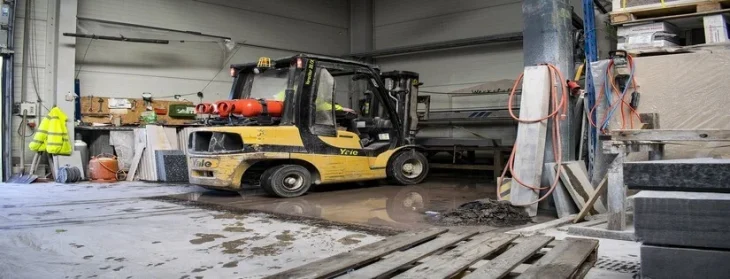
How intelligent vision tracking helps forklift safety
When you step into a warehouse, you are most likely to witness miniature trucks moving around carrying materials from one place to another called forklifts. As much fun these little vehicles may seem, forklifts are associated with almost 90,000 accidents every year in the United States alone, out of which one fatal accident occurs approximately every 5-6 days. Some of the more common examples of forklift accidents are such as being crushed by forklift or forklift falling off an edge with the driver receiving serious injury. The downsides of warehouse vehicle activity have been analyzed and forklift has undergone significant improvements over the last decade, all thanks to the introduction of intelligent vision tracking forklift monitoring system. These systems are capable of tracking, recording, and projecting important real-time data to warehouse supervisors, and vehicle operators, which ultimately leads to minimizing workplace injuries and damage-related costs. To ensure the seamless functioning of such systems and employ the intelligent tracking feature, it is vital to understand their operation and perks they bring in for a business. Intelligent computer vision for forklift monitoring The key player in vision tracking of forklift is Artificial Intelligence (AI). AI applies two aspects into this namely: computer vision and deep learning. Computer vision refers to camera caught images processed in software. The mini-computers and cameras are installed and they provide their connection to the cloud for real-time alerting and reporting. They observe and record all the action along with taking pictures. Unlike security camera which requires humans to review thousands of images over long hours, computer vision implements AI to markdown significant events of interest/concerns such as a vehicle left unattended for a long time, debris in the truck bed, a person not in proper attire in the designated area, etc. The deep learning helps us to detect, recognize, and anticipate probable scenarios with absolute accuracy and reliability. The system can distinguish a person in an image from a pile of goods. The system is also able to recognize a forklift operator’s state by focusing on his body language and churning out possible outcomes. From identifying common carelessness such as hands not on wheels to keeping a check on warehouse safety standards, intelligent vision forklift monitoring system acts as an artificial warehouse manager of its own. The system not only detects and records an incident but also analyses and learns the reason for the same. The captured data helps it to identify the same occurrence again in the future and display a warning signal if it anticipates a similar incident is about to repeat.. The benefits of intelligent tracking and monitoring of forklift The benefits of intelligent tracking and monitoring of forklift Forklift monitoring has witnessed big changes over the years with the introduction of access settings which includes swipe cards or access pins to prevent unauthorized or unwarranted usage of forklifts. The constant surveillance and data capturing means lesser chance of mishaps and overall better security in the warehouse. This compels forklift operators to be accountable for their job, hence increasing productivity. A breakthrough aspect of smart vision tracking is the amalgamation with the Internet of Things (IoT). As a result of IoT, forklifts come with varied hardware and software products such as LCD screens. These days, it is mandatory for the forklift operator to abide by compliance and safety process and IoT happens to be one of the key points in a pre-start checklist. Giving a wrong answer or any shortcoming in compliance will have the forklift vehicle locked, preventing any further usage by the concerned driver. The following points summarize how computer vision tracking of forklifts is raising safety standards: Intelligent Forklift tracking systems have created a more professional, smooth, and safer workspace in the industry. The data from these systems enable supervisors and managers to measure key performance indicators and check safety. Unmanned AI-driven forklifts are already under usage on a significant scale in many countries. With years, more and more high-tech monitoring systems are going to come with increased efficiency. www.onetrack.ai/post/how-computer-vision-and-deep-learning-improve-forklift-safety www.inboundlogistics.com/cms/article/holman-logistics-uses-artificial-intelligence-to-increase-forklift-safety/ www.lencrowforklifts.com.au/news/understanding-forklift-safety-and-monitoring-systems-effectively-in-your-business/ Community, Nasscom Insights Initiative
Read More
The Machine Vision industry: Track and Trace
The industrial revolution sure did lay down the importance of manufacturing’s primary aspect, supply chain, and logistics. The constant manufacturing of goods, shipment, storage, the influx of commodities, tracking, tracing, labeling is quite the herculean task. Historically, tracing a product through a complicated supply chain has been a time taking and sometimes painful process, akin to finding a needle in a haystack. Whether it is a complex array of a global supply chain or individual process in a single facility, tracking and tracing were incredibly difficult, until a modern technological solution known as Machine Vision came up. Machine Vision systems, which are also known as intelligent vision systems, facilitate product tracing through a nexus of supply chains while also setting up an automated system to gain accessibility into the production of both self and suppliers/customers. The Growth of Vision-Based Track and Trace Solutions Machine Vision track and trace market are estimated to reach a value of $3.90 billion by 2023, as per a reputed market research firm growing at a compound annual growth rate of 19%. Much of this estimation can be attributed to regulatory pressure and accountability, to prevent product recalls and quality. As per global association for vision information (AIA), industry initiatives such as The Produce Traceability Initiative, are encouraging for further implementation of vision-based track & trace applications by pulling in several parties from various domains and envisioning a more effective vision-based industry. This growth lays down a generous amount of opportunities for innovative machine vision OEMs to mark their territory in such a rapidly growing industry. The underlying principle of vision tracking Machine vision track and trace solutions have introduced the most inclusive way to identify & track commodities as they move through complex global supply chains. As a result, there is a growing number of different industries that are adopting machine vision as their one-stop solution for track and trace operations. For example, due to occurrences of instrument misplacement and hospital-contracted infections, the medical device industry has implemented track and trace systems to ensure safety and wellbeing. The food and beverage industry has extensively used machine vision track and trace to record point of origin of products and ingredients to address quality issues and rectify them. Typically, pharmaceutical firms observe stringent rules and regulations to ensure their products can be tracked and traced from the production line to the end-user. Here is how they implement vision-based track and trace: Apart from track and trace, the manufacturing industry has witnessed a vast application of diverse machine vision solutions in many ways As machine vision technology makes its footfall in more and more industries, the track and trace solutions are most likely to be at the forefront of this growing presence, contributing to supply chain visibility and product innovation. This pioneering technology has trailblazed its way towards the manufacturing industry vanguard and proved to be a much sought after system solution to scale all sorts of operations. Reference: www.devteam.space/blog/10-examples-of-using-machine-vision-in-manufacturing/#eight Global Association for Vision Information
Read More