


Featured Services
Benefits
Increased Energy Efficiency
Optimize energy consumption, lower costs, and reduce your environmental footprint. Our EMIS empowers you to make data-driven decisions that maximize energy efficiency across your organization.
Cost Savings
Gain a competitive edge by optimizing energy usage. Lower your operational costs and allocate savings to other critical areas of your business.
Regulatory Compliance
Streamline your compliance efforts by leveraging our EMIS. Simplify reporting, ensure accurate data, and meet energy-related regulatory requirements effortlessly.
Sustainability and Corporate Social Responsibility
Demonstrate your commitment to sustainability and corporate social responsibility. Our EMIS helps you meet environmental targets while enhancing your brand reputation.
Why Choose
Prescient Technologies?
-
Expertise and Experience
-
Cutting-Edge Technology
-
Customized Solutions
-
Dedicated Support

875
Completed Projects
Why Choose Prescient Technologies?
Expertise and Experience
With years of industry expertise, we have a deep understanding of energy management challenges and solutions.
Cutting-Edge Technology
Our EMIS leverages the latest advancements in data analytics, machine learning, and IoT technologies to deliver optimal results.
Customized Solutions
We tailor our EMIS to fit your organization's unique requirements, ensuring a solution that aligns perfectly with your goals.
Dedicated Support
Our team is committed to your success. From implementation to ongoing support, we provide personalized assistance every step of the way.
POPULAR NEWS
Featured Posts
Best Practices for Integrating MES with PLM and ERP Seamlessly
Manufacturing systems rarely fail because of missing software. They fail because systems do not talk to each other. You may already use MES, PLM, and ERP platforms across your organisation, yet data still moves slowly, manually, or inconsistently. This gap limits visibility and increases operational risk. Seamless integration across these platforms is no longer optional. It is a core requirement for modern manufacturing. This blog explains best practices for integrating MES with PLM and ERP systems, with a clear focus on PLM Implementation, mes software solutions, and digital factory integration. Why MES, PLM, and ERP Integration Matters Each system serves a distinct purpose: When these systems operate in silos, problems emerge quickly. Engineering changes fail to reach the shop floor. Production data does not flow back to design teams. ERP plans rely on outdated execution data. Industry analysis published on TechNewsWorld highlights that manufacturers with integrated MES, PLM, and ERP environments respond faster to design changes and reduce production errors significantly. Integration directly supports cost control, quality, and speed. This is why digital factory integration has become a strategic priority. Understanding the Integration Challenge Integration is not only about connecting software. It involves aligning data models, processes, and ownership. Common challenges include: Without a structured approach, integration efforts create technical debt rather than value. Best Practices for MES, PLM, and ERP Integration The following best practices help you build a stable and scalable integration foundation. 1. Start with a Clear PLM Implementation Strategy Strong integration begins with a solid PLM Implementation. PLM acts as the system of record for product definitions, revisions, and engineering intent. You should ensure that: A weak PLM foundation leads to errors that propagate into MES and ERP systems. Investing time upfront reduces downstream complexity. This approach also supports smoother Teamcenter implementation projects, where data governance plays a critical role. 2. Define System Roles and Responsibilities Clearly Each system must have a clear role. Integration works best when systems share data but do not duplicate ownership. Clear boundaries prevent conflicts and confusion. This clarity is essential when deploying mes software solutions across multiple plants or regions. 3. Align Data Models Across Systems Data inconsistency is a major integration blocker. Part numbers, routings, and process definitions must align across systems. Best practices include: This alignment supports best practices for MES and PLM integration and reduces the need for manual corrections. 4. Use a Layered Integration Architecture Direct point-to-point integrations often become fragile over time. A layered architecture improves flexibility. A typical structure includes: This model supports scalability and simplifies upgrades. It also aligns with modern Application Development Services approaches that focus on modular design. 5. Enable Closed-Loop Feedback from MES to PLM Integration should not be one-directional. Execution data from MES is valuable for engineering teams. When MES feeds data back to PLM: This closed-loop approach strengthens digital factory integration and improves collaboration between engineering and manufacturing. 6. Integrate MES with ERP for Real-Time Visibility Many manufacturers ask how to integrate MES with ERP systems without disrupting operations. The key lies in timing and data relevance. ERP systems need accurate execution data to plan effectively. MES provides: Integration ensures ERP plans reflect reality, not assumptions. This improves inventory accuracy and delivery commitments. 7. Prioritise Data Quality and Validation Integration amplifies both good and bad data. Without validation, errors spread faster. Best practices include: Strong data governance supports reliable mes software solutions and reduces operational risk. 8. Plan for Change Management and Scalability Manufacturing environments evolve. New products, plants, and processes are inevitable. Your integration strategy should support: Scalable design ensures your PLM Implementation and integration efforts remain effective over time. Role of Application Development Services in Integration Off-the-shelf connectors rarely meet complex manufacturing needs. Custom Application Development Services help bridge gaps between systems. These services support: A tailored approach ensures integration aligns with real operational processes rather than forcing process changes to fit software limits. Integration in a Digital Factory Environment In a digital factory, integration is continuous rather than static. Data flows across design, planning, execution, and analytics platforms. Digital factory integration focuses on: Prescient Technologies supports this environment by delivering engineering-focused integration solutions that connect PLM, MES, and ERP systems in a controlled and scalable way. Common Mistakes to Avoid You should avoid: These mistakes reduce long-term value and increase maintenance effort. Key Takeaways Next Steps If you want to integrate MES with PLM and ERP systems without disrupting operations, a structured approach is essential. Clear data ownership, scalable architecture, and strong governance make the difference. Explore how Prescient Technologies’ engineering-led integration capabilities and Application Development Services can help you connect systems while preserving flexibility and control. Connect with our team to discuss a seamless integration strategy for your digital factory.
Read More
What is a Smart Energy Management System & How It Reduces Operational Costs
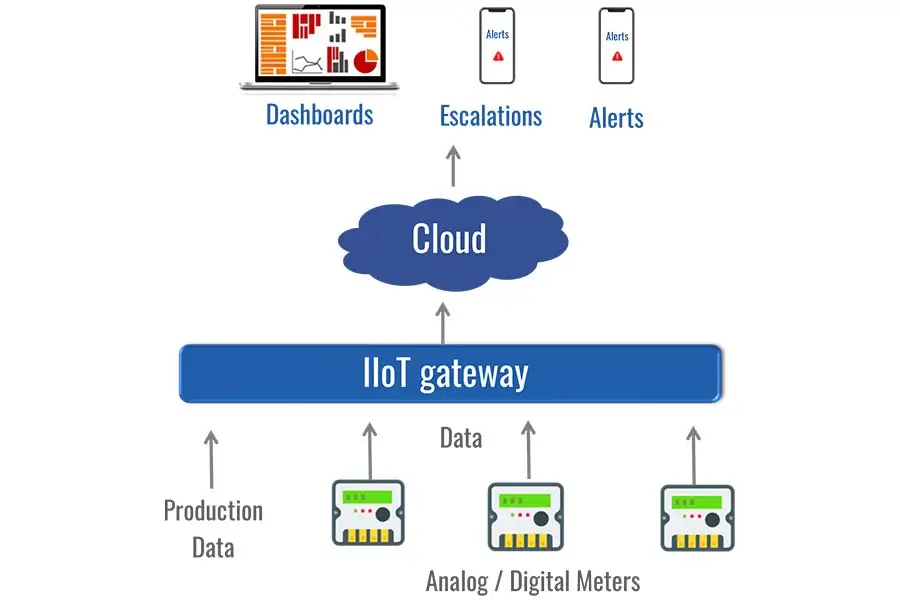
Energy expenses continue to rise across manufacturing facilities. You may already focus on improving production efficiency, reducing downtime, and maintaining quality. Yet energy usage often receives attention only when monthly bills arrive. This lack of visibility quietly increases operational costs and limits control. A smart energy management system helps you close this gap. It brings clarity to how energy flows across your factory and helps you act on real data rather than estimates. This blog explains what is a smart energy management system, why it matters for manufacturing, and how it helps reduce operational costs in a practical way. Why Energy Management has Become Critical for Manufacturers Manufacturing operations depend heavily on electricity, gas, and compressed air. Machines, HVAC systems, lighting, and utilities all draw power throughout the day. Many plants still rely on periodic audits or manual readings. This approach delays insights and hides inefficiencies. Industry commentary published on TechNewsWorld notes that manufacturers who adopt continuous energy monitoring identify waste far earlier than those using traditional methods. This early visibility helps teams correct issues before they become expensive problems. Energy data also strengthens MES software solutions. When production and energy data exist together, decisions become more accurate and timely. What is a Smart Energy Management System? A smart energy management system is a digital platform that continuously monitors, analyses, and supports control of energy usage across a manufacturing facility. It collects data from machines, utilities, and infrastructure and converts that data into actionable insight. Unlike traditional energy tracking tools, Energy Management System software works in real time and supports automation. It does not rely on manual intervention or delayed reports. A typical smart system includes: This structure supports digital factory energy management, where energy becomes part of daily operational control. How a Smart Energy Management System Works A smart energy management system follows a structured process. First, sensors and meters collect energy data from machines, compressors, HVAC units, lighting systems, and utilities. This data flows continuously into the central platform. Next, the system analyses usage patterns. It compares current consumption with historical data, production schedules, and predefined benchmarks. This analysis highlights deviations that often go unnoticed. You then view these insights through dashboards. These dashboards show energy consumption by machine, line, or process. Alerts notify you when usage exceeds expected limits. Finally, the system supports action. Automated rules or manual interventions help adjust loads, schedule equipment, or investigate inefficiencies. This approach strengthens factory energy management without adding complexity for your teams. How Energy Management Systems Reduce Operational Costs Many manufacturers ask how energy management systems reduce operational costs in real terms. The impact appears across several areas. Reduced Peak Demand Charges Electricity tariffs often include penalties during peak demand hours. A smart system helps you identify high-load activities and shift them to off-peak periods. This alone can lower energy bills significantly. Lower Idle Energy Consumption Machines draw power even when idle. A smart energy management system identifies these periods and supports automated shutdowns or load reduction. This prevents unnecessary energy loss during non-productive hours. Improved Equipment Reliability Abnormal energy consumption often signals mechanical issues. Early detection allows maintenance teams to act before failures occur. This reduces repair costs and unplanned downtime. Better Energy Planning Accurate data improves forecasting and budgeting. You can plan production schedules with energy efficiency in mind. This helps balance output targets with cost control. Simplified Compliance and Reporting Energy audits and sustainability reporting require accurate data. Energy Management System software automates reporting, saving time and reducing manual effort. A 2024 analysis published by Wired reported that manufacturers using advanced energy analytics achieved energy cost reductions of up to 30% within the first year of deployment. The Role of MES Software Solutions in Energy Optimisation Energy insights become more valuable when linked with production data. MES software solutions enable this connection. When energy management integrates with MES – This unified view helps you make decisions that improve both productivity and cost control. It also supports continuous improvement initiatives across the factory. Smart Energy Management in a Digital Factory Environment In a digital factory, systems do not operate in isolation. Energy management works alongside automation, machine monitoring, and analytics platforms. Digital factory energy management focuses on continuous visibility, data-driven decisions, and automated optimisation. This approach allows manufacturers to treat energy as a variable they can control rather than a fixed expense. Prescient Technologies supports this approach by delivering digital factory platforms that connect energy data with manufacturing operations. These platforms help teams gain better visibility, control, and operational insight. Common Challenges without Smart Energy Management Without a smart system, manufacturers often face: These challenges grow as factories scale or adopt advanced automation. A smart system addresses these issues by making energy data accessible and actionable. Who Should Consider a Smart Energy Management System? A smart energy management system suits organisations that operate energy-intensive production lines or manage multiple facilities. It also fits companies planning digital transformation or already using MES software solutions. Manufacturing professionals, CTOs, R&D teams, and IT leaders benefit from improved energy visibility and control. This visibility supports strategic planning as well as day-to-day operations. Key Takeaways Take the Next Step If you want better control over energy costs without disrupting production, smart energy management is a practical step forward. Connecting energy data with factory operations helps you identify inefficiencies and act quickly. Explore how Prescient Technologies’ digital factory solutions support smart energy monitoring and optimisation. Their platforms help manufacturing teams gain actionable insight and improve operational performance. Connect with the Prescient team to understand how smart energy intelligence can support your factory goals. Your PLM system should evolve with your business not trap it in place. Yet countless manufacturers discover this truth too late, when a seemingly simple software upgrade becomes a six-month ordeal requiring extensive code rewrites and threatening business continuity. The difference between configurable and customized PLM isn’t just technical semantics. It’s the difference between a system that grows with you and one that eventually holds you hostage. The Upgrade Lock-in
Read More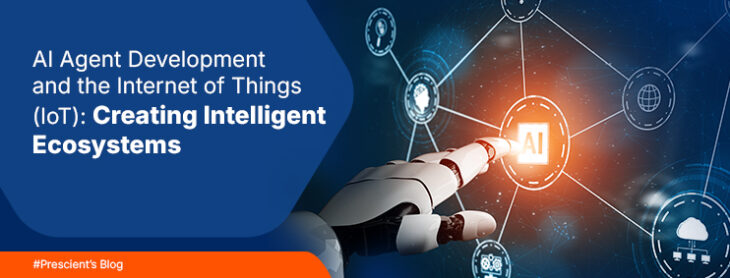
AI Agent Development Company & IoT: Creating Intelligent Ecosystems
Your PLM system should evolve with your business not trap it in place. Yet countless manufacturers discover this truth too late, when a seemingly simple software upgrade becomes a six-month ordeal requiring extensive code rewrites and threatening business continuity. The difference between configurable and customized PLM isn’t just technical semantics. It’s the difference between a system that grows with you and one that eventually holds you hostage. The Upgrade Lock-in Problem: A Growing Crisis Every year, PLM vendors release new versions packed with enhanced capabilities, security patches, and modern integrations. Your competitors adopt these improvements quickly, gaining efficiency advantages. Meanwhile, your team receives the dreaded news: “Our customizations aren’t compatible with the new version. Upgrading will take 8-12 months and cost $500,000.” This scenario plays out across manufacturing with alarming frequency. Companies invest heavily in PLM systems, customize them extensively to meet specific requirements, and then discover they’ve created upgrade barriers that grow more expensive with each passing version. The financial impact compounds over time: Beyond dollars, upgrade lock-in creates operational paralysis. Teams hesitate to modify processes because changes might complicate future upgrades. Innovation stalls. Business agility suffers. The system that should enable growth becomes a constraint. Why Heavy Customization Creates Technical Debt Understanding why PLM customization leads to upgrade lock-in req uires examining how customizations interact with core system architecture. When vendors release new versions, they modify underlying code, databases, and APIs. Extensive customizations built on the old foundation often break catastrophically. Core modifications are the biggest culprit. When customizations alter fundamental PLM objects, workflows, or data models, they create fragile dependencies. A vendor’s structural change can cascade through dozens of custom modules, requiring complete rewrites. Custom code lacks vendor support. During upgrades, vendors test and validate their standard functionality. Your custom code? That’s entirely your responsibility to fix, test, and validate. This burden grows exponentially with customization complexity. Integration points multiply maintenance. Custom integrations with ERP, CAD, and other systems often rely on specific API versions. Vendor upgrades frequently deprecate old APIs, forcing integration rewrites alongside core customization updates. Documentation gaps compound problems. Custom code written years ago by departed developers becomes a black box. Without proper documentation, even simple customization updates consume weeks of reverse-engineering effort during PLM implementation upgrades. The irony? Most heavy customizations address requirements that configurable solutions could have handled with proper PLM implementation planning. Configurable PLM: Built-in Flexibility Without the Baggage Modern configurable PLM platforms deliver extensive flexibility through vendor-supported mechanisms designed to survive upgrades. Understanding these capabilities transforms how manufacturers approach PLM customization decisions. Configuration tools provide powerful adaptation: These configuration capabilities handle 80-90% of typical “customization” requirements. The critical difference? Configurations remain vendor-supported through upgrades. The vendor tests configuration compatibility, provides migration tools, and ensures configurations survive version transitions. The upgrade advantage is transformative: Strategic PLM implementation leverages configuration first, reserving true customization for genuinely unique requirements that configuration cannot address. The Smart Customization Strategy: When and How to Customize Eliminating all PLM customization isn’t realistic or advisable. Some requirements genuinely exceed configuration capabilities. The key is distinguishing necessary customization from premature customization and implementing it with upgrade survivability in mind. Reserve customization for these scenarios: When customization is necessary, follow upgrade-friendly principles: Build through extensibility frameworks. Modern PLM platforms provide custom development frameworks designed for upgrade compatibility. These frameworks offer hooks, events, and APIs that remain stable across versions, allowing customizations to survive upgrades with minimal modification. Maintain strict separation from core code. Never modify vendor-supplied objects, workflows, or data models directly. Build separate custom modules that interact with the core through supported interfaces. This isolation prevents vendor changes from breaking your customizations. Document obsessively with future developers in mind. Every customization needs comprehensive documentation explaining business requirements, technical implementation, dependencies, and testing procedures. Future upgrade teams will thank you. Version control everything. Maintain complete revision history of all custom code, configurations, and documentation. This enables rapid assessment of what changed between versions and expedites upgrade testing. Plan upgrade testing from day one. Design customizations with testability in mind. Maintain automated test suites covering all custom functionality. This dramatically reduces validation time during actual upgrades. Thoughtful PLM customization balances current needs with long-term flexibility, ensuring your investment supports rather than constrains future growth. Implementation Strategy: Getting It Right From the Start The most effective time to prevent upgrade lock-in is during initial PLM implementation. Decisions made during deployment establish patterns that persist for years. Following a configuration-first methodology protects long-term flexibility while meeting immediate requirements. Phase 1: Requirements Analysis with Configuration Mapping Before writing a single line of custom code, exhaustively explore configuration capabilities: Many “must-have customizations” evaporate when configuration capabilities are fully understood and business processes adapt modestly. Phase 2: Configuration-First Implementation Implement all configuration-addressable requirements first: This approach delivers immediate value while maintaining upgrade flexibility. Teams gain experience with configuration tools, often discovering additional standard solutions for perceived customization needs. Phase 3: Selective, Strategic Customization For requirements genuinely exceeding configuration capabilities, implement minimal, focused customizations: Phase 4: Ongoing Governance Establish rigorous change management processes: Strong governance prevents customization creep that gradually recreates upgrade lock-in despite initial discipline. Moving Forward: Breaking Free from Lock-in If you’re already locked into a heavily customized PLM system, the path forward requires honest assessment and strategic action. Continuing with the status quo only deepens the problem as technical debt compounds with each postponed upgrade. Assessment starts with inventory: Remediation follows multiple paths: Some organizations undertake phased “de-customization” projects, systematically replacing custom code with vendor-supported configurations. Others time major customization reduction with necessary upgrades, combining upgrade and modernization efforts. Still others implement parallel configurable systems, gradually migrating from legacy customized environments. The right approach depends on your specific situation, but action beats inaction. Every year maintaining heavily customized systems increases future migration costs while competitors advance with modern, flexible platforms. Take Control of Your PLM Future PLM customization and PLM implementation decisions made today determine your flexibility tomorrow. The difference between configurable and customized approaches isn’t just technical it’s strategic. Configurable systems adapt
Read More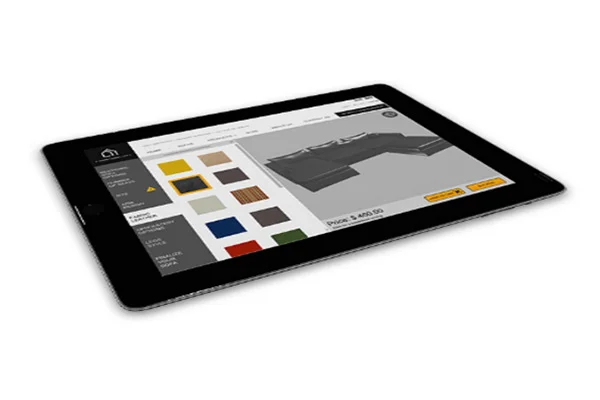
Introduction Interaction with 3D Product Configurators What are 3D Product Configurators? Boosting sales and satisfaction Introduction Customers are often reluctant to buy customized products because...
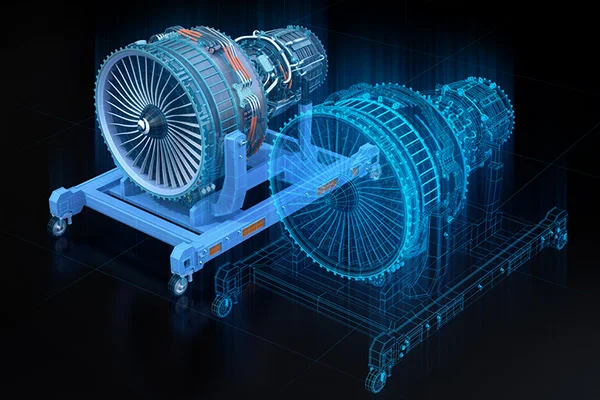
By Swanand Javadekar A digital twin is a dynamic representation of an asset that allows us to understand the better working of the system and predict performance for better design directions. A...

For starters, digitization is converting of analog/physical things such as paper documents, microfilm images, photographs, sounds and more into digital (bits and bytes) version. So it is simply...