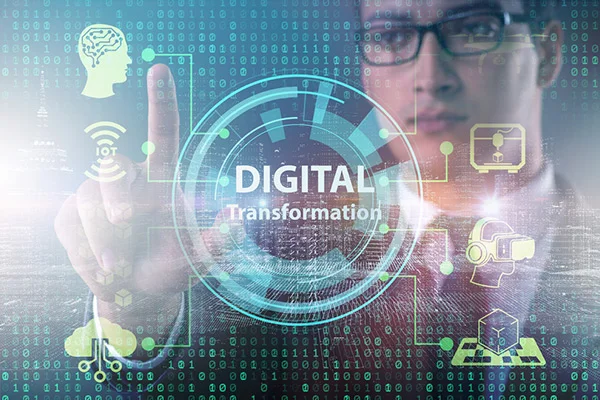
What is Digital Transformation?
Table of Content What is Digital Transformation? Automation is the first step in digital transformation Digital transformation allows businesses to collect and analyze customer data Challenges in digital transformation Digital Transformation across different industries Future of digital transformation Digital Transformation is a term that is often used to describe an organization’s attempt to create a better user experience. It usually involves using technologies like artificial intelligence and machine learning, mobile apps, and social media to boost employee experience. Companies are also embracing the benefits of digital technology to improve the customer experience and make their company more competitive. What is Digital Transformation? In a nutshell, digital transformation is a process that transforms the business to provide a more efficient and consistent customer experience. For example, a clothing company may wish to digitize its backend inventory to provide a more unified experience between brick-and-mortar stores and online shoppers. It could be done by introducing new apps to support business operations and streamline workflows. While the term can seem confusing, the reality of digital transformation isn’t easily described by this term. In many ways, the phrase refers to changes in society, economic conditions, and even regulations. In other words, it’s a radical change in organizational competencies and processes. Companies are attempting to use these new technologies to make their organizations more customer-centric, increase productivity, and reduce costs. However, the phrase can also refer to the necessity to meet the human need to interact with the world. Businesses can transform their businesses using a wide variety of digital technologies. The key to digital transformation is looking at every business aspect and changing it accordingly. A social media presence may replace traditional department and team structures, and marketing and service functions may be tied together using a digital platform. However, not all these changes are reasonable. You can implement some of them if you know what they are before implementing them. Several factors make a business embrace digital transformation. Once you get started, you’ll have a clearer picture of the changes you need to make. Read Carving a roadmap to Digital Transformation for more. Digital transformation allows businesses to collect and analyze customer data Previously, data might have been scattered among disconnected platforms, and companies may have struggled to collect it. Now, digital transformation can help companies collect, centralize, and analyze their data, facilitating better corporate decision-making. The benefits of digital transformation go far beyond just data analysis. With digital transformation, data is consolidated and organized into a single database for business intelligence. In the future, this data can be leveraged to inform business strategy. Data-driven improvements translate into improved customer service, sales channels, and offers. When combined with an effective digital strategy and an efficient team, these benefits can lead to business growth. Digital transformation is lengthy, so be prepared to spend time and money to get it right. However, it can be well worth it in the end. Automation is the first step in digital transformation Automation can streamline processes and reduce the workload of human employees. Organizations can optimize performance and increase revenue by streamlining workflows and implementing API integrations. The next logical step is hyper-automation, which can automate itself. Your organization can use new technologies and integrate them into existing systems. For example, eBay’s popular e- commerce website implemented API integration into its systems, increasing its revenue. Automation works in synergy with Big Data, and big data has the potential to change operations and business models. Big data allows organizations to organize their data in meaningful ways and extract useful information. This information is crucial to model and make relevant decisions. These technologies also facilitate digital transformation. 5G and IoT are some of the leading examples. These technologies are already transforming business processes. Your one-stop shop for Digital Transformation From Smart Design to Smart Manufacturing or from Business Process Automation to Custom Built Solutions, Prescient can provide value to your Digital Transformation needs. Challenges in digital transformation The increasing adoption of new technologies in the manufacturing sector has made digital transformation necessary for most companies. However, these new technologies aren’t without their challenges. For instance, rampant cyberattacks pose the biggest hurdle to widespread adoption of digital transformation, especially in data-intensive industrial sectors. Nevertheless, these risks will gradually be overcome, as the benefits of this technology will outweigh any risks. Overall developments regarding data security will have a significant impact on the market over the next few years. One identifying aspect of digital transformation is its ability to capture, store, analyze, and share massive amounts of data. It allowed businesses to collect, process, research, and share vast data. However, as networking and the internet became more widespread, big data created new challenges for digital data management and analysis. Thus, data centers, warehouses, and lakes were created to address these challenges. Despite these challenges, digital transformation continues to be a critical factor in the progress of any economy. Digital Transformation across different industries There are many benefits to implementing Digital Transformation across different industries. These benefits range from reducing support tickets to enhancing customer satisfaction. These companies successfully implement various technologies to improve their business and create new revenue streams. By implementing these technologies, companies can improve supply-chain efficiency and optimize their factories through self-diagnosis capabilities. But before implementing Digital Transformation across different industries, businesses must first understand what drives it and how to implement it in the best way. It’s important to note that any new technology must fit into the company’s ecosystem and tech stack. While these new tools can increase ROI, they may require significant investment to implement and train employees. Future of digital transformation The evolution of customers is driving the adoption of digital technologies. Today’s tech-savvy consumers expect an excellent experience across multiple touchpoints, transforming customer experiences. While this trend affects all industries, it also affects every job function. Digital platforms will improve access to remote operations. Organizations will also make employee well-being a top priority. Edge computing and quantum capabilities will enable predictive analytics. And
Read More